
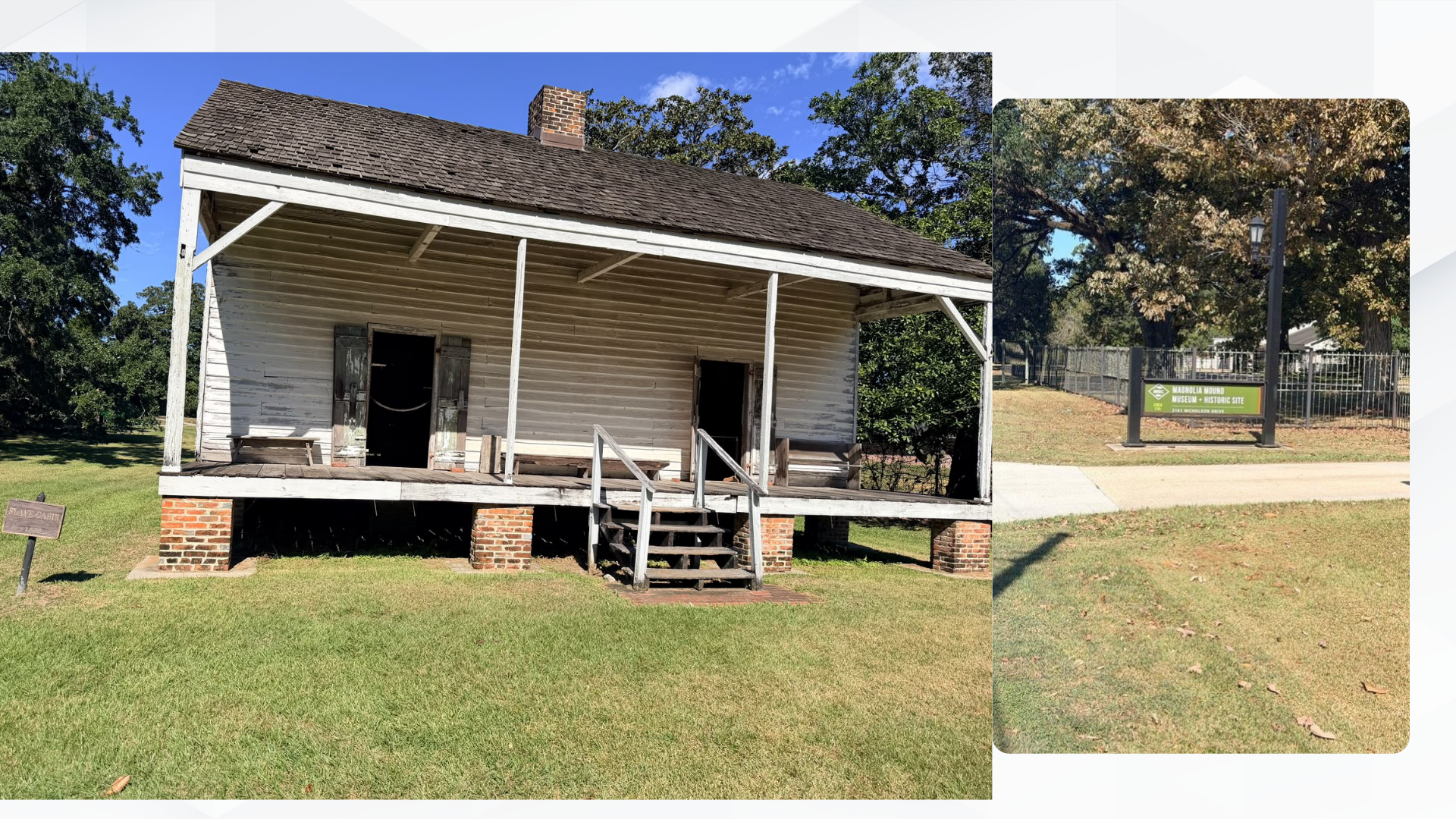
Black Magnolia: A Photo Essay
The Magnolia Mound Museum + Historical Site in Baton Rouge, Louisiana, is a strange place.
When I visited this museum, I saw that it looked awfully like a plantation, and this made me ask important questions about why the word “plantation” was missing from the name of the “museum.” After all, the Whitney Plantation, just a few kilometers from New Orleans in Louisiana, is correctly called a “plantation.” What is it about the term “plantation” that makes it absent in the naming of this museum? What does the word “museum” hide that “plantation” may reveal? These questions may seem pedestrian, but you only need to visit this strange museum to understand the issue. Museums have never been neutral places. I’ve been to well over 25 countries around the world and have tried to visit museums in all but a handful. There are different kinds of museums, you see. Some museums celebrate the glorious past; others serve as reminders of painful memories; a few serve as archives of the present; but there are some that try to do all of this at once. Magnolia Museum is unique, like others in the American South.
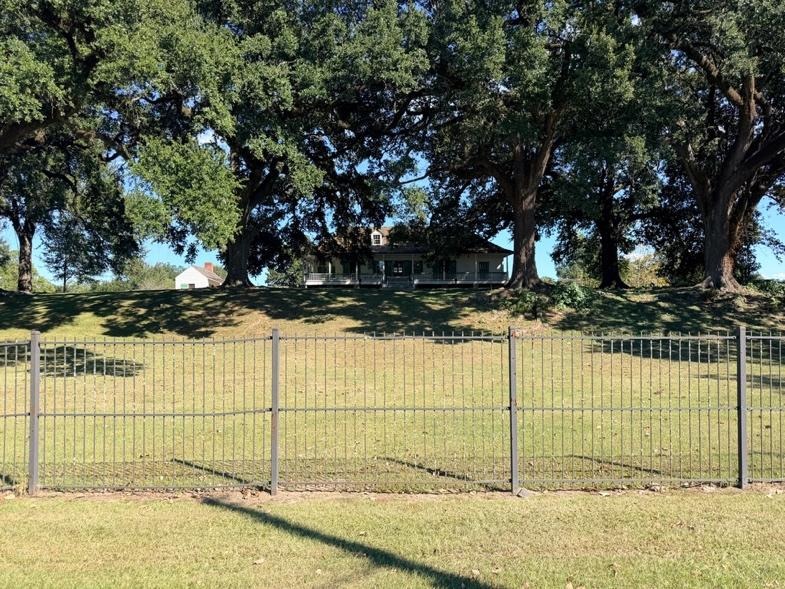
Magnolia Museum is located on Magnolia Mound, a plantation that covers a modest stretch of land just off Nicholson Drive, between downtown Baton Rouge and LSU. When I arrived at this “museum” on a Sunday afternoon, the all-white workers first pointed me to the toilet, implying I might be looking for a place to ease myself. I quickly told them that I came to see the museum itself. They were shocked, and not in an oh-my-goodness kind of way. It was more a what-do-you-want-here kind of way. The questions to determine my purpose commenced: “Where are you from, actually?” “Why this museum in particular?” “Are you touring around or something?” I felt like a petitioner in the atrium of an ancient Egyptian lodge seeking the password to access the inner temple where all the mysteries lay. This place, as it was in the past, was not intended for me to move around freely. I was not offered the guided tour package because, apparently, they were overbooked, never mind that the place was eerily empty that day.
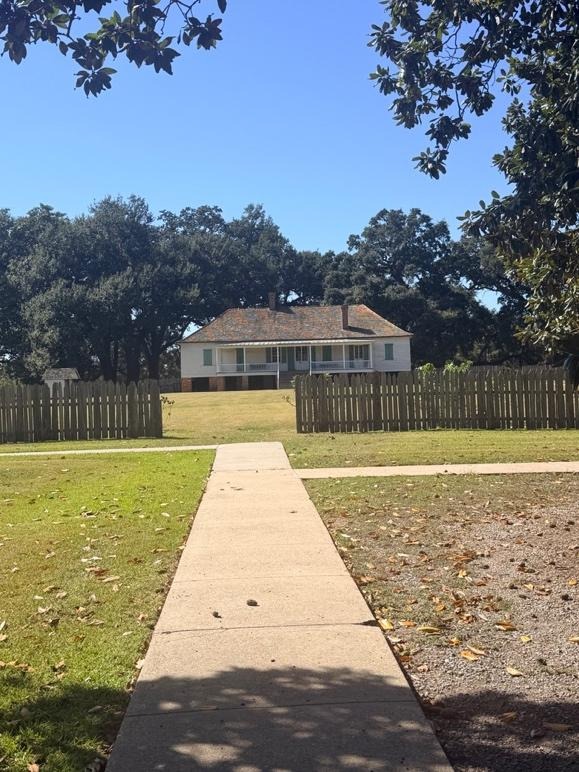
I was only offered a “walking tour”. I couldn’t go inside the buildings to see anything, and I couldn’t touch anything. They sold this as a discount, a “cheaper” version of the tour. Of course, I wouldn’t run away from a challenge. I took this “deal” with a spectral smile. There was no rage to be found here, at least not yet. Not long after this, I was led into a viewing room to see an old DVD film that contextualizes the museum. The film, with its 1980s cinematic aesthetic, focused on the glorious life of Armand Allard Duplantier, the French war veteran who fought in the War of 1812 (which saw a series of botched invasions of Canada). Monsieur Duplantier ran this place as a plantation with enslaved black people. When he died, his wife, Constance Rochon, continued the heritage. Beyond celebrating this French-American slave owner as some sort of hero – a genius even, the vintage video also celebrated the architecture – Creole architecture – and spared no words to describe its beauty and ability to survive through time.
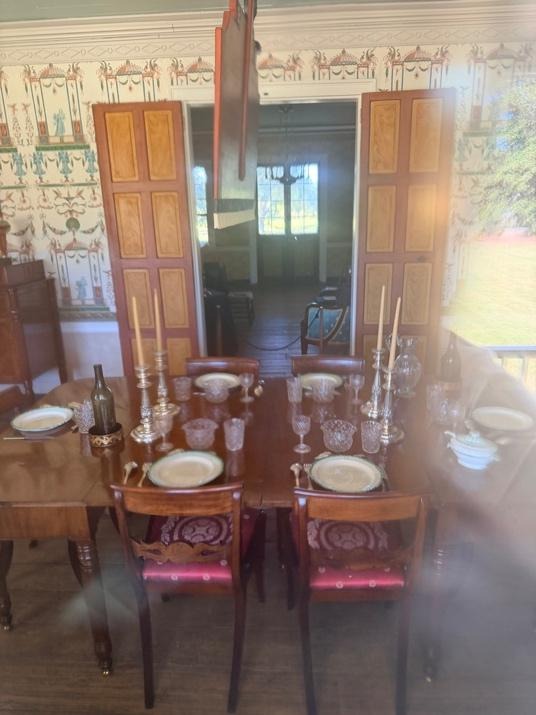
Lacking access to the main mansion, the heart of this plantation that is not really coded as a plantation, I had to peep through the windows to travel back in time into the “fascinating” world of Monsieur Duplantier. You see, this museum cares more about the physical building itself and the glorious narrative of its owner than those who suffered for many years as slaves in the sugarcane fields just adjacent to the main building. And it is this lack of recognition and introspection that bothered me the most. What exactly am I looking at here? What am I supposed to be seeing? Yes, it is important to preserve the past, but what happens when aspects of that past are buried under the splendor of architecture? Or under revolutionary heroism? By modest accounts, this place had 300 enslaved black people whose stories have been carefully omitted, screened out of the dominant narrative, silenced and condemned to existence as an afterthought of Magnolia’s Creole architectural ingenuity. This museum has many ghosts lurking around.
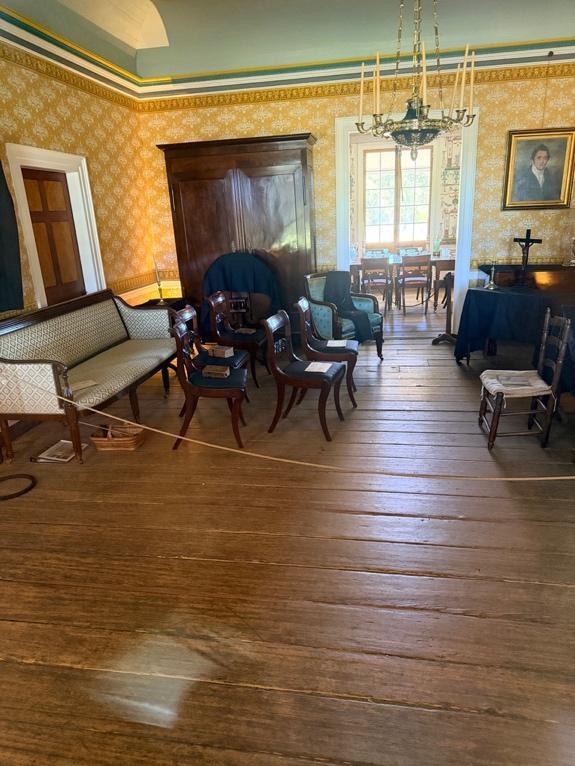
Through the window, as close as many of those enslaved would have gotten to this place, I could see elements of Monsieur Duplantier’s Catholicism. The wealth, majesty, and architectural creativity were as bright as sunlight streaming into a dimly lit room in the daytime. The main building had many rooms, all fully furnished and showing visible signs of wealth and comfort. But how did Monsieur Duplantier make all this wealth? Who worked the sugarcane fields? The cotton plantations? The tobacco fields? This archive returns no sound; the silence is loud. The air is heavy with the terrors of the past. The land itself has swallowed up centuries of tears, and above it stands this beacon of “greatness,” this eternal presence of a devout family man perfectly preserved and frozen in time. In that moment, I embodied Nancy Hill, an enslaved woman who was there from the beginning of this strange place. She worked in the sugarcane fields and peeped through the windows of this sublime architecture – awe and rage at once invoked.
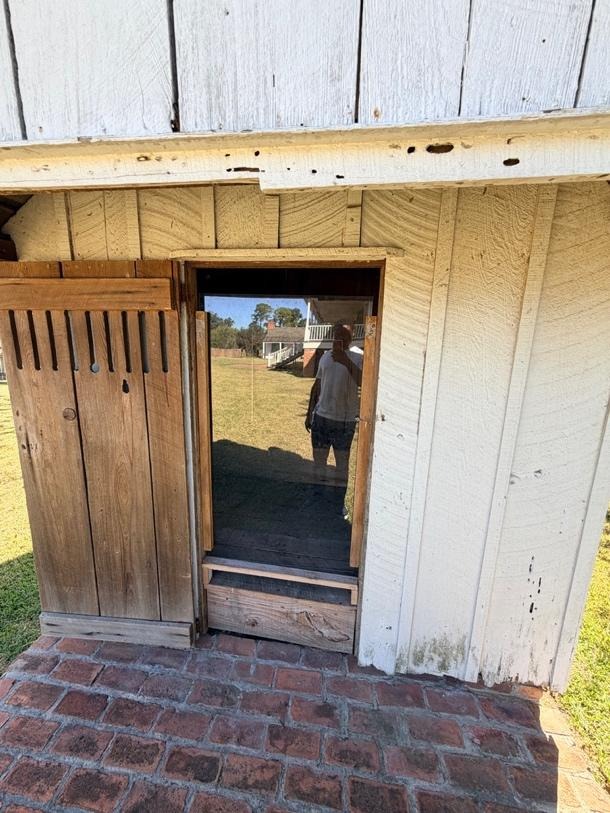
And this was the toilet: external, accessible, open. It was situated just in front of the fields so that the stench may add to the horror of the slaves’ Louisiana summer’s day torture. It was one of the few places fully accessible to me. The museum’s logic was simple: you may not access the main mansion, but the toilet is free game. You can even sit on it and imagine yourself as Monsieur Duplantier for a moment. This is what it is to embody the greatness of a wartime hero. In this structure where bowels were emptied by great American men and women, you may partake in majesty. The narrative logic of this museum cannot be created by just anyone; it needs to be carefully crafted to provide the full experience, the whole experience of being a slave owner, that is. Why else would you visit this place if not that? And now it all comes together: the museum workers were startled that I would willingly adopt Monsieur Duplantier’s perspective in this carefully curated site. Of course, only to an extent. It is best experienced in the toilet.
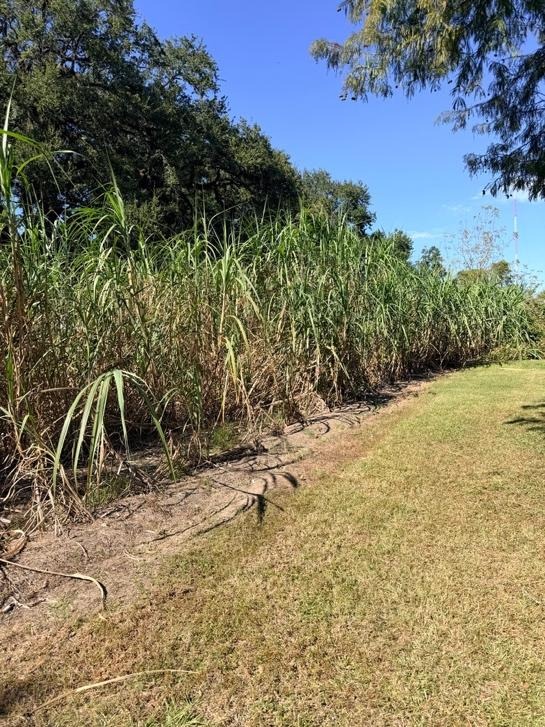
The sugarcane fields act as relics of a “sweeter world”. The hot Louisiana sun bathed my skin with horror as I approached these fields in which some man named Ogunlesi or some woman named Adaobi were christened and transformed into Thomas and Lucia and forced to work all day. As I paced forward, I could hear the songs: those spirituals that announced the day when sorrow and pain would end; those melodies that promised a future where their descendants would one day take charge of the ultimate plantation in Washington, D.C.; those ditties about the world they lost and may never return to until their death. These songs troubled my soul and revealed the real story of this strange place. The mound upon which I walked is a cemetery of sorrowed souls. The trees have been bearing witness for centuries, and their songs also tell important stories. Something happened here. Something not quite stated. I looked at the farthest point in this plantation and saw an apparition of a world almost buried.
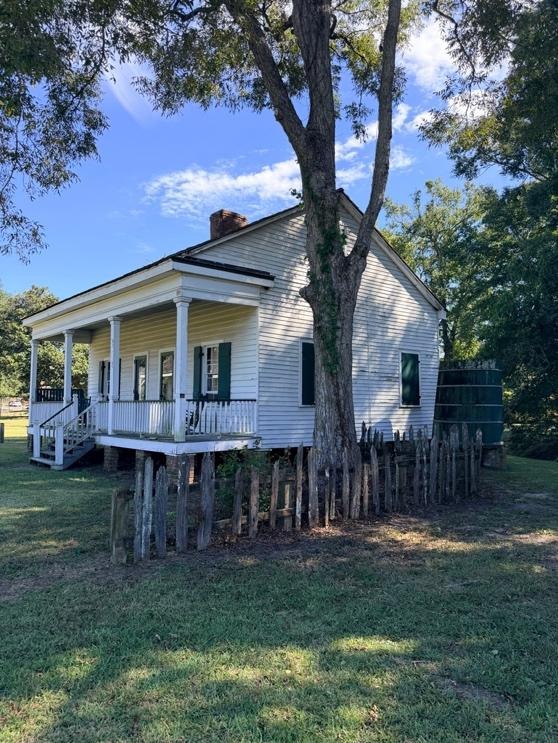
The overseer’s cottage contrasts deeply with Monsieur Duplantier’s edifice. You see, overseers were very strange people whose only purpose was to enforce the racial and exploitative order of slavery. They too were slave-like – bound to the land like others – but only made significant by whiteness or near whiteness. It was in this context that they acted as enforcers of racial ideology and violence. This cottage also features aspects of Creole architecture, but scaled down. It was not intended for comfort but to serve as a reminder of the overseer’s class and station in life. It was close enough to the mansion so that the overseer could see the epitome of whiteness and wealth and close enough to the slave quarters so that he (they were often male) could be grateful that he was not a lowly negro, the wretched of the earth. And this sense of gratitude for not being a negro merged with the angst for not being white enough and produced a neurotic state that often manifested in pure acts of violence and wickedness.
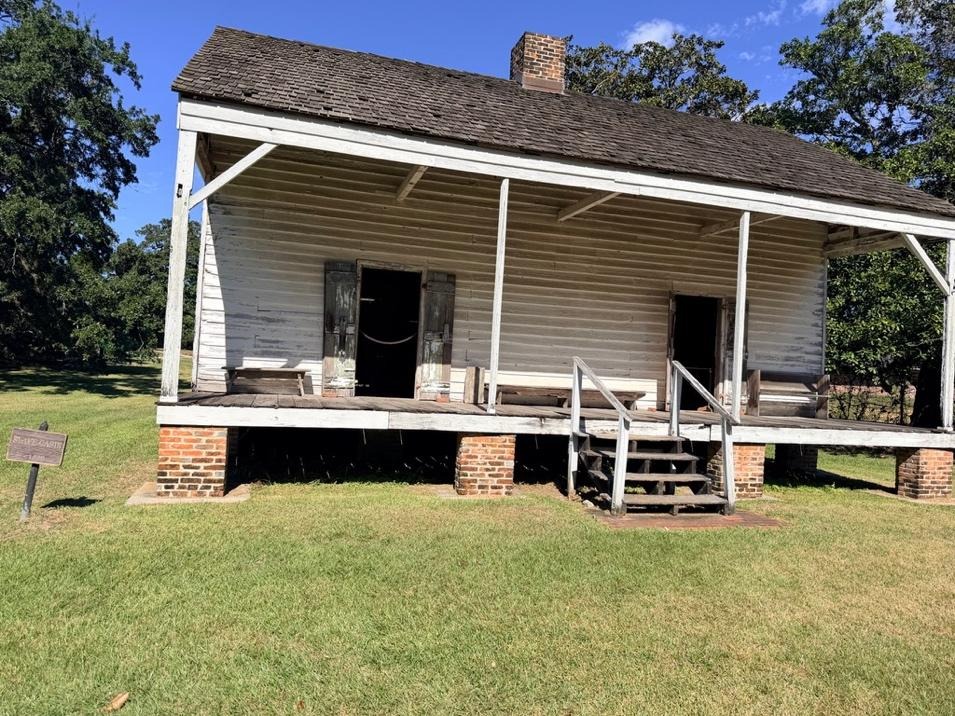
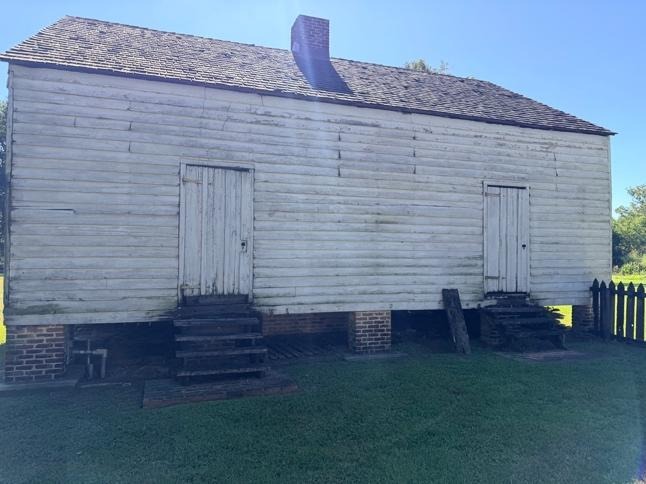
And finally, at least for me, the only remaining slave cabin on this patch of accursed soil. What happened to the rest of them? Apparently, this sole cabin is not original to the property. It was moved there after people complained about some of the things captured thus far. All the original cabins were systematically destroyed and erased from this site in order to maintain its narrative of noble civility and architectural ingenuity. Of course, slavery would soil this image. No one wants to remember the horrors of the past. It’s all in the past, after all. Why would anyone want to relive that experience? Why can’t we just appreciate the buildings and leave all that slave-mongering in the past? This was and is still the logic of this strange place. Of course, the slave cabin is accessible. It has just a small rope across the open door. You may take a look and maybe even step inside. It’s not as majestic as the Duplantier mansion. There is absolutely no history here. This represents nothing.
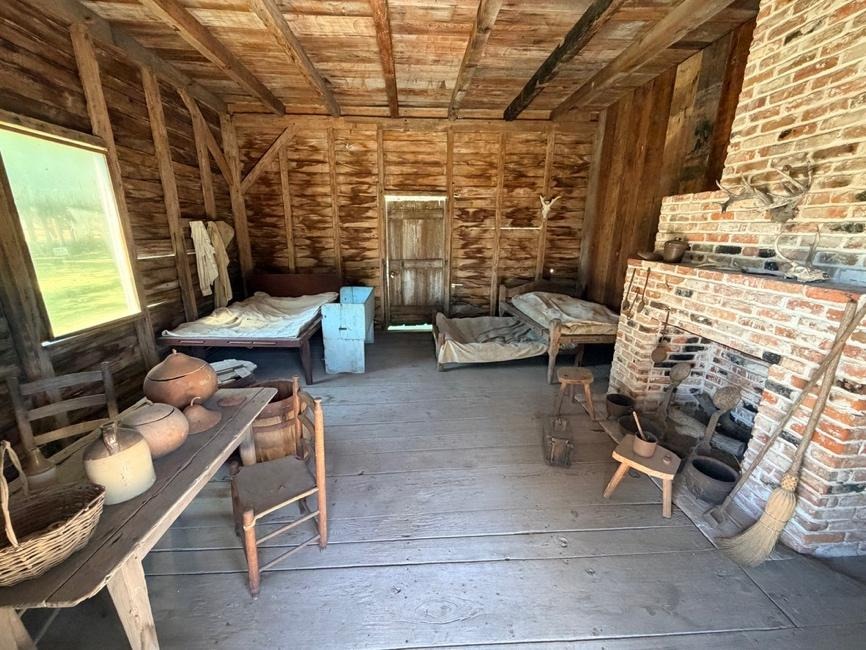
And on this bed on which an enslaved person once lay, there are remnants of little acts of resistance. Although there is a chapel behind this place and an overwhelming Catholicism that lurks around this ground, there are still material signs of Voodoo, an ancient West African religion that was taboo in these parts in the past. Above the bed hung the skull of a ruminant, most certainly a sacrifice to the ancestors to intercede on behalf of the enslaved. I also saw gourds made from Calabash and brooms made from raffia-like fronds and twigs. Despite being reconstructed and placed here only to silence their critics and to extract more money from visitors, this cabin, minor and silent as it were in this strange place, served as a counter-narrative to the Monsieur Duplantier-focused narrative of this “museum.” I doubt that they intended this to happen. It takes a certain level of reading against the grain to recover the voices of those silenced by this place. I left the “museum” with a commitment to never return, but to carry with me the impressions of that which remains unsaid about this place that I now choose to call “Black Magnolia”.
Iroro is a traveler, writer, teacher, and persistent theorist of the human condition. He is currently compiling impressions of the world from his travels. He likes literature, philosophy, history, folklore, and other arts, social, and natural science topics. He can be reached at literarymathy@gmail.com.